

Top Beetroot Substitutes for Authentic Abruzzo Risotto Recipes
Craving a vibrant Abruzzo risotto but out of beetroot? Discover the best substitutes that ensure your dish remains authentic and bursting with flavor!
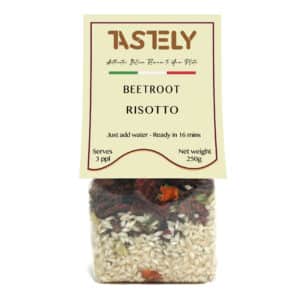
Beetroot risotto
The Role of Beetroot in Risotto
Beetroot has carved out a unique niche in the culinary world, particularly in the realm of Italian cuisine. Known for its vibrant color and earthy flavor, beetroot plays a significant role in risotto, especially those hailing from the Abruzzo region. When beetroot is integrated into risotto, it imparts a striking magenta hue, transforming the dish into a visual masterpiece. Beyond aesthetics, beetroot introduces a subtle sweetness and a slightly earthy undertone that harmonizes beautifully with the creamy texture of risotto.
The integration of beetroot into risotto is not merely for its visual appeal; it also complements the creamy, rich consistency of the dish. When cooked, beetroot’s natural sugars caramelize slightly, adding a delightful complexity to the flavor profile. Moreover, the slight earthiness of beetroot can balance the richness of the risotto’s cheese and butter, creating a harmonious blend that is both satisfying and intriguing to the palate.
In Abruzzo, beetroot risotto is often celebrated for its ability to showcase seasonal produce in a comforting yet sophisticated manner. The use of beetroot in this regional specialty underscores the importance of using locally sourced, fresh ingredients. This practice not only enhances the dish’s flavor but also supports sustainable farming practices. As such, understanding the role of beetroot in risotto is crucial for anyone looking to recreate an authentic Abruzzo culinary experience.
Nutritional Benefits of Beetroot
Beetroot is not just a culinary delight; it is also a nutritional powerhouse. Rich in essential vitamins and minerals, beetroot offers a range of health benefits that enhance the nutritional profile of any dish, including risotto. One of the standout nutrients in beetroot is folate, a type of B vitamin that is crucial for DNA synthesis and repair. Folate is particularly important for pregnant women, as it supports healthy fetal development and can prevent neural tube defects.
In addition to folate, beetroot is a great source of dietary fiber, which aids in digestion and promotes a healthy gut. The fiber in beetroot helps maintain regular bowel movements and can prevent digestive issues such as constipation. Moreover, fiber contributes to a feeling of fullness, which can be beneficial for weight management. Including beetroot in your diet can thus support overall digestive health and help maintain a balanced diet.
Beetroot is also rich in antioxidants, particularly betalains, which give the vegetable its distinctive color. These antioxidants help combat oxidative stress and inflammation in the body, reducing the risk of chronic diseases such as heart disease and cancer. Furthermore, beetroot contains nitrates, which can improve blood flow and lower blood pressure. This combination of nutrients and antioxidants makes beetroot an excellent addition to a heart-healthy diet, enhancing both the flavor and nutritional value of your risotto.
A wholesome blend of premium quinoa infused with natural beetroot—quick, vibrant, and perfect for healthy meals.
Common Beetroot Substitutes
When beetroot is unavailable, finding a suitable substitute that can maintain the integrity of an Abruzzo risotto can be a challenge. However, several ingredients can effectively replace beetroot, each bringing its unique qualities to the dish. One popular substitute is butternut squash. With its natural sweetness and creamy texture, butternut squash can mimic the flavor profile of beetroot while adding a slightly different but equally delightful twist. The vibrant orange color of butternut squash also adds visual appeal to the risotto.
Another excellent substitute for beetroot is red cabbage. While it may not provide the same level of sweetness, red cabbage offers a similar earthy flavor and a striking color that can enhance the visual and taste experience of the risotto. Red cabbage also has a slightly crunchy texture, adding an interesting contrast to the creamy risotto. Additionally, red cabbage is rich in vitamins and antioxidants, making it a nutritious alternative to beetroot.
Carrots can also serve as a viable beetroot substitute in risotto. Carrots offer a natural sweetness and a vibrant color that can elevate the dish’s visual and flavor profile. When cooked, carrots become tender and blend seamlessly into the risotto, providing a pleasant contrast to the creamy texture. Carrots are also packed with beta-carotene, which the body converts into vitamin A, supporting eye health and immune function. These substitutes ensure that your risotto remains flavorful and visually appealing, even without beetroot.
How to Choose the Right Substitute
Selecting the right substitute for beetroot in your Abruzzo risotto requires careful consideration of several factors, including flavor, color, and texture. The goal is to find an ingredient that can replicate the key characteristics of beetroot while adding its unique qualities to the dish. When choosing a substitute, consider the overall flavor profile you want to achieve. If you are looking for a similar sweetness, butternut squash or carrots may be the best options. Both ingredients offer a natural sweetness that can complement the creamy risotto.
Color is another important factor to consider. Beetroot’s vibrant magenta hue is one of its most distinctive features, so choosing a substitute that offers a similarly striking color can help maintain the visual appeal of the dish. Red cabbage and carrots are excellent choices in this regard, as they both provide bold, eye-catching colors that can enhance the presentation of your risotto. Additionally, these ingredients can add their unique flavors and textures, creating a dynamic and interesting dish.
Texture is equally important when selecting a substitute for beetroot. The creamy, smooth texture of risotto is one of its defining characteristics, so choosing an ingredient that can blend seamlessly into the dish is crucial. Butternut squash, when cooked, becomes tender and creamy, making it an ideal substitute. Similarly, carrots can become soft and blend well into the risotto. Red cabbage, while slightly crunchy, can add an interesting textural contrast that can enhance the overall eating experience. By considering these factors, you can choose the right substitute that will maintain the integrity and authenticity of your Abruzzo risotto.
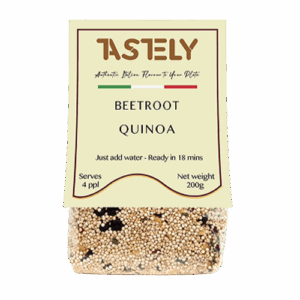
Tastely Beetroot Quinoa, a quick and healthy meal ready in just 18 minutes.
Cooking Techniques for Risotto with Substitutes
The cooking technique for risotto remains largely the same regardless of the substitute you choose for beetroot. The key to a perfect risotto lies in the gradual addition of liquid and constant stirring, which helps release the starches from the rice, creating a creamy consistency. When using substitutes like butternut squash, carrots, or red cabbage, it is important to prepare them properly to ensure they blend seamlessly into the risotto.
For butternut squash, peel and dice the squash into small, even pieces. Sauté the squash in a bit of olive oil until it begins to soften, then set it aside. When you start cooking the risotto, add the sautéed squash about halfway through the cooking process. This allows the squash to fully integrate into the risotto, adding its sweetness and creamy texture. The same technique can be applied to carrots. Peel and dice the carrots, sauté until they begin to soften, and then incorporate them into the risotto during the cooking process.
Red cabbage requires a slightly different approach. Shred the cabbage finely and sauté it in olive oil until it begins to soften. Red cabbage can be added towards the end of the cooking process to maintain some of its crunch, providing a textural contrast to the creamy risotto. Additionally, red cabbage will release some of its color into the risotto, creating a visually appealing dish. Regardless of the substitute you choose, the key to a successful risotto is patience and attention to detail, ensuring each ingredient is cooked to perfection.
Flavor Profiles of Alternative Ingredients
Each substitute for beetroot brings its unique flavor profile to the risotto, creating a different but equally delicious experience. Butternut squash, for example, offers a natural sweetness and a slightly nutty flavor. When cooked, the squash becomes tender and creamy, blending seamlessly into the risotto. The sweetness of butternut squash can complement the richness of the risotto, creating a harmonious balance of flavors. Additionally, the vibrant orange color of the squash adds a visual appeal that can make the dish even more enticing.
Carrots, like butternut squash, offer a natural sweetness that can enhance the flavor of the risotto. When cooked, carrots become tender and can blend well into the creamy texture of the dish. Carrots also have a slightly earthy undertone that can add depth to the flavor profile. The vibrant orange color of the carrots can add a pop of color to the risotto, making it visually appealing. Additionally, carrots are rich in beta-carotene, adding a nutritional boost to the dish.
Red cabbage offers a different flavor profile, with a slightly earthy and mildly sweet taste. When cooked, red cabbage retains some of its crunch, adding a textural contrast to the creamy risotto. The bold purple color of red cabbage can create a visually striking dish, making it an excellent substitute for beetroot. Additionally, red cabbage is rich in antioxidants, adding a nutritional benefit to the risotto. By understanding the flavor profiles of these alternative ingredients, you can create a risotto that is both delicious and visually appealing, even without beetroot.
Tips for Maintaining Authenticity in Risotto
Maintaining the authenticity of your Abruzzo risotto, even when using substitutes for beetroot, requires attention to detail and a commitment to traditional cooking techniques. One of the key elements of authentic risotto is the type of rice used. Arborio, Carnaroli, and Vialone Nano are the most commonly used varieties, known for their high starch content, which creates the creamy texture characteristic of risotto. Using the right type of rice is crucial for achieving the desired consistency and authenticity.
Another important factor in maintaining authenticity is the gradual addition of liquid. Traditional risotto requires the liquid to be added slowly, one ladleful at a time, while constantly stirring. This technique allows the rice to release its starches gradually, creating a creamy texture. Using a homemade broth or high-quality store-bought broth can enhance the flavor of the risotto, adding depth and richness to the dish. Additionally, the broth should be kept warm throughout the cooking process to ensure even cooking.
Incorporating traditional Italian ingredients and techniques can also help maintain the authenticity of your risotto. For example, finishing the dish with a generous amount of freshly grated Parmigiano-Reggiano cheese and a knob of butter can add a rich, creamy finish. Using high-quality olive oil, fresh herbs, and a splash of white wine can also enhance the flavor and authenticity of the dish. By paying attention to these details, you can create a risotto that remains true to its Abruzzo roots, even when using substitutes for beetroot.
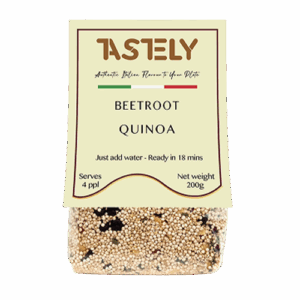
Tastely Beetroot Quinoa offers a nutritious and delicious meal made with quinoa and beetroot. Simply add water to prepare.
Creative Variations of Risotto with Substitutes
Exploring creative variations of risotto with beetroot substitutes can open up a world of culinary possibilities, allowing you to experiment with different flavors, textures, and ingredients. One interesting variation is a butternut squash and sage risotto. The natural sweetness of the butternut squash pairs beautifully with the earthy flavor of fresh sage. To make this dish, sauté diced butternut squash and finely chopped sage in olive oil, then incorporate them into the risotto as it cooks. Finish the dish with a sprinkle of toasted pumpkin seeds for added texture and flavor.
Another creative variation is a carrot and ginger risotto. The sweetness of the carrots combined with the warmth of fresh ginger creates a unique and flavorful dish. To prepare this risotto, sauté finely diced carrots and freshly grated ginger in olive oil, then add them to the risotto as it cooks. The ginger adds a subtle heat that complements the sweetness of the carrots, creating a harmonious balance of flavors. Garnish the dish with a drizzle of honey and a sprinkle of chopped fresh parsley for a vibrant and delicious risotto.
For a bold and colorful variation, try a red cabbage and apple risotto. The earthy flavor of the red cabbage pairs beautifully with the sweetness of the apples, creating a delicious and visually striking dish. To make this risotto, sauté shredded red cabbage and finely diced apples in olive oil, then incorporate them into the risotto as it cooks. The apples add a natural sweetness, while the red cabbage provides a slight crunch and a vibrant color. Finish the dish with a splash of apple cider vinegar and a sprinkle of toasted walnuts for added flavor and texture. These creative variations allow you to explore new flavors and ingredients, while still maintaining the essence of an authentic Abruzzo risotto.
Conclusion and Final Thoughts on Beetroot Alternatives
In conclusion, while beetroot plays a significant role in traditional Abruzzo risotto, there are several excellent substitutes that can maintain the dish’s authenticity and flavor. Butternut squash, carrots, and red cabbage each offer unique qualities that can enhance the risotto, creating a delicious and visually appealing dish. By understanding the role of beetroot, the nutritional benefits, and the flavor profiles of these substitutes, you can create a risotto that remains true to its roots, even when using alternative ingredients.
Choosing the right substitute requires careful consideration of flavor, color, and texture, ensuring that each ingredient complements the creamy consistency of the risotto. By employing traditional cooking techniques and incorporating high-quality ingredients, you can maintain the authenticity of your risotto, even when using substitutes for beetroot. Exploring creative variations allows you to experiment with different flavors and ingredients, adding a personal touch to the dish while still honoring its Abruzzo heritage.
Ultimately, the key to a successful risotto lies in attention to detail, patience, and a commitment to using fresh, high-quality ingredients. Whether you are using beetroot or a substitute, the goal is to create a dish that is both flavorful and visually appealing, showcasing the rich culinary traditions of the Abruzzo region. With these tips and techniques, you can confidently prepare an authentic and delicious risotto, even when beetroot is not available.

